Introduction
Built at the Intersection of Science, Technology, and Agricultural Commerce
AgroNet ZERO began by studying how regenerative soil inputs perform under varying field conditions. That work revealed a broader commercialization problem: suppliers can develop increasingly specialized products but lack scalable intelligence to determine where those products fit and which customers to pursue.
SoilSync™ was developed to connect product characteristics with soil, crop, parcel, geospatial, and market intelligence—helping suppliers, advisors, and growers make better adoption decisions.

Origin Story
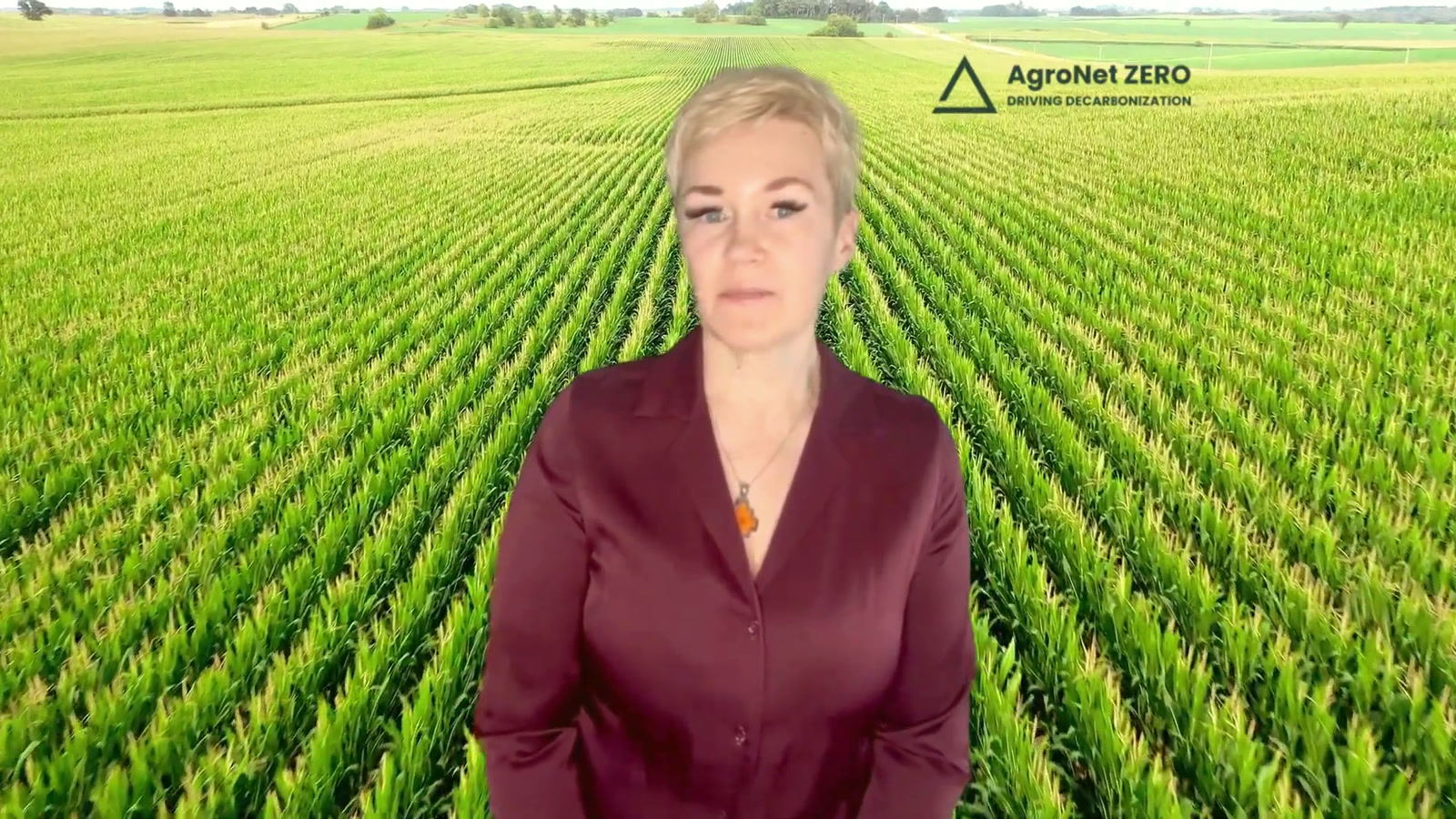
Tetiana McLemore, Ph.D.
The Dream Architect
- Higher Input Efficiency
- Route products toward the zones where they are most likely to generate a response.
- Optimized Yield Potential
- Match soil conditions with the regenerative inputs and rates best suited to each field zone.
- Stronger Land Value
- Build verifiable soil health and productivity evidence that can support landowners, lenders, buyers, and programs.
How SoilSync™ works
Three steps from soil to harvest
Insight | Map
Analyze soil conditions, zone variability, and response potential across every acre. SoilSync™ turns complex field data into a clear visual map of where regenerative inputs may perform.
Decision | Match
Match field data to the right input types, application rates, and supplier fit for each zone.
Execution | Activate
Connect recommendations to supplier coordination, application planning, and outcome tracking so the right product reaches the right field with a clear purpose.
The AgroNet ZERO difference
This is not just another digital map
- 01
Most ag tools
Stop at providing raw data.
- 02
Some tools
Offer recommendations.
- 03
AgroNet ZERO
Connects those decisions to real-world input execution.
Applied Performance
Inputs are matched to the zones where field conditions indicate stronger return potential.
Qualified Demand
Supplier opportunities are grounded in documented soil, crop, product, and market fit—not seasonal sales assumptions.
Repeatable Success
Field outcomes can be tracked and evaluated so recommendations improve as evidence grows.
We are building the missing infrastructure that turns precision soil data into regenerative input action.
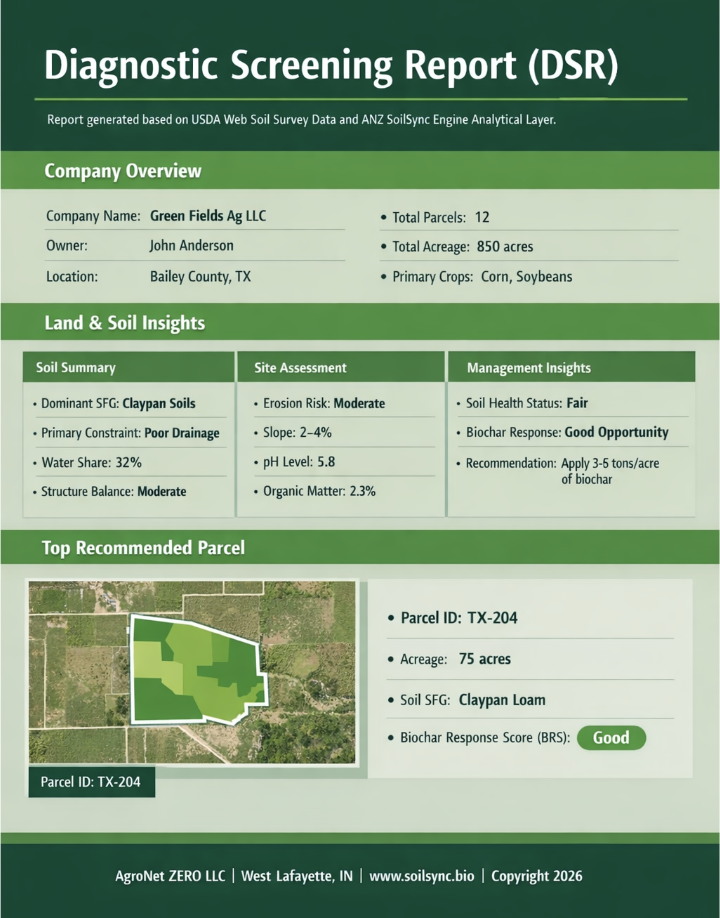
Diagnostic Screening Report · sample output
Leadership
The team connecting soil science to market action
Experience across agronomy, soil science, engineering, and commercialization — focused on turning better evidence into better product-to-acre decisions.

Strategic Advisory Panel
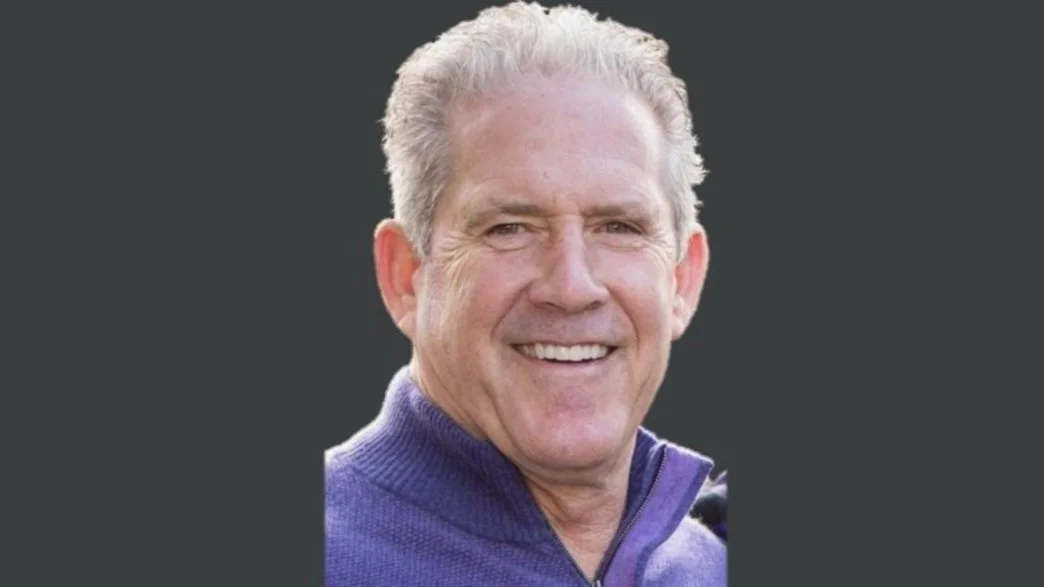
Dr. Cliff Johnston
Soil Science & Product Characterization
Purdue University; soil chemistry, biochar characterization, and product-soil interactions.
Ramon Loucks
Agricultural Markets & Field Commercialization
Grower networks, field validation, and agricultural market access.
David Kagan
Business Strategy & Scaling
Financing, commercialization strategy, and company scaling.
Larry Berlin
Go-to-Market & Entrepreneurship
Strategic positioning, entrepreneurship, and commercialization.