
Our Research Initiatives
Turning Science and Data into Better Soil Decisions
At AgroNet ZERO, research is not an isolated function—it is the foundation of how SoilSync™ works.
In partnership with Purdue University and the Applied Research Institute (ARI), our work focuses on understanding how different soil inputs—starting with biochar—perform under real-world conditions, and how those outcomes can be predicted, improved, and applied at scale.
Our research spans three connected areas:
Material Science & Input Development
We study how agricultural and food waste streams—such as poultry manure and spent coffee grounds—can be transformed into high-value soil inputs. This includes analyzing how feedstock composition and processing methods (e.g., pyrolysis, gasification) influence nutrient content, stability, and agronomic performance.Performance & Agronomic Outcomes
We investigate how input characteristics translate into field-level impact—examining factors such as nutrient availability, soil response, and potential to replace or complement traditional fertilizers.Soil Intelligence & Decision Models
We analyze soil data and existing tools (such as the USDA Biochar Response Score) to understand where inputs are most likely to deliver results. Our work includes identifying gaps in current models and developing improved approaches that reflect real field conditions and variability.
In parallel, we are conducting a systematic review of scientific literature to strengthen the underlying logic behind our scoring models—ensuring that recommendations are grounded in both published research and practical application.
Why It Matters
This work enables a new approach to agriculture:
Inputs are designed with performance in mind
Soil decisions are based on data, not assumptions
Regenerative and conventional inputs are applied where they deliver the greatest value
Ultimately, our research supports AgroNet ZERO’s mission to build a decision-driven marketplace for soil inputs—where science, data, and real-world application come together to help farmers apply the right input, in the right place, for the right outcome.
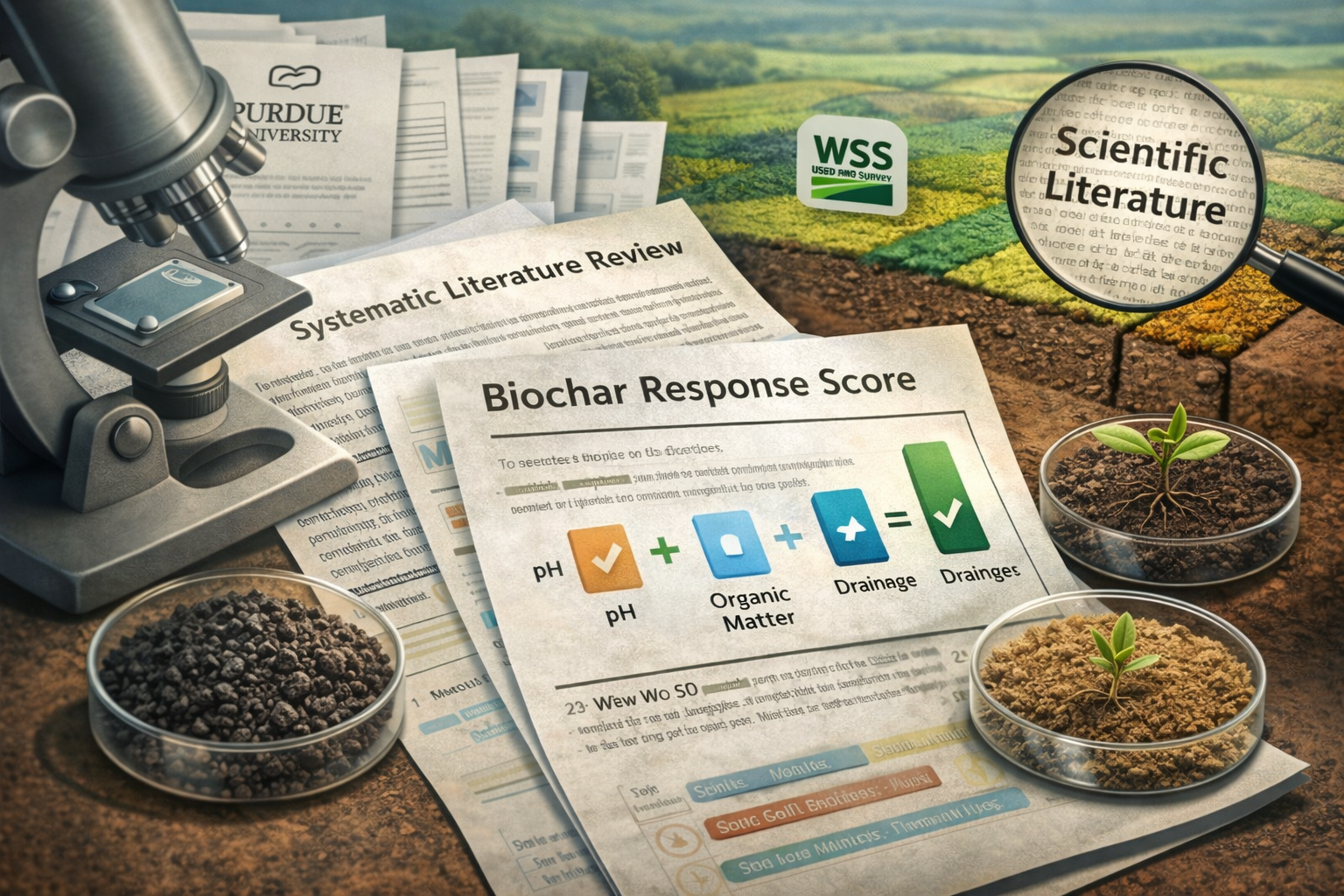
Building the Science Behind Better Soil Decisions
In 2026, AgroNet ZERO, in collaboration with soil scientists at Purdue University, is conducting a systematic literature review to strengthen the scientific foundation behind how soil data is used to guide biochar application decisions.
This phase of our research focuses on the Biochar Response Score (BRS) within the USDA Web Soil Survey (WSS)—a tool designed to help identify where biochar is most likely to deliver meaningful results.
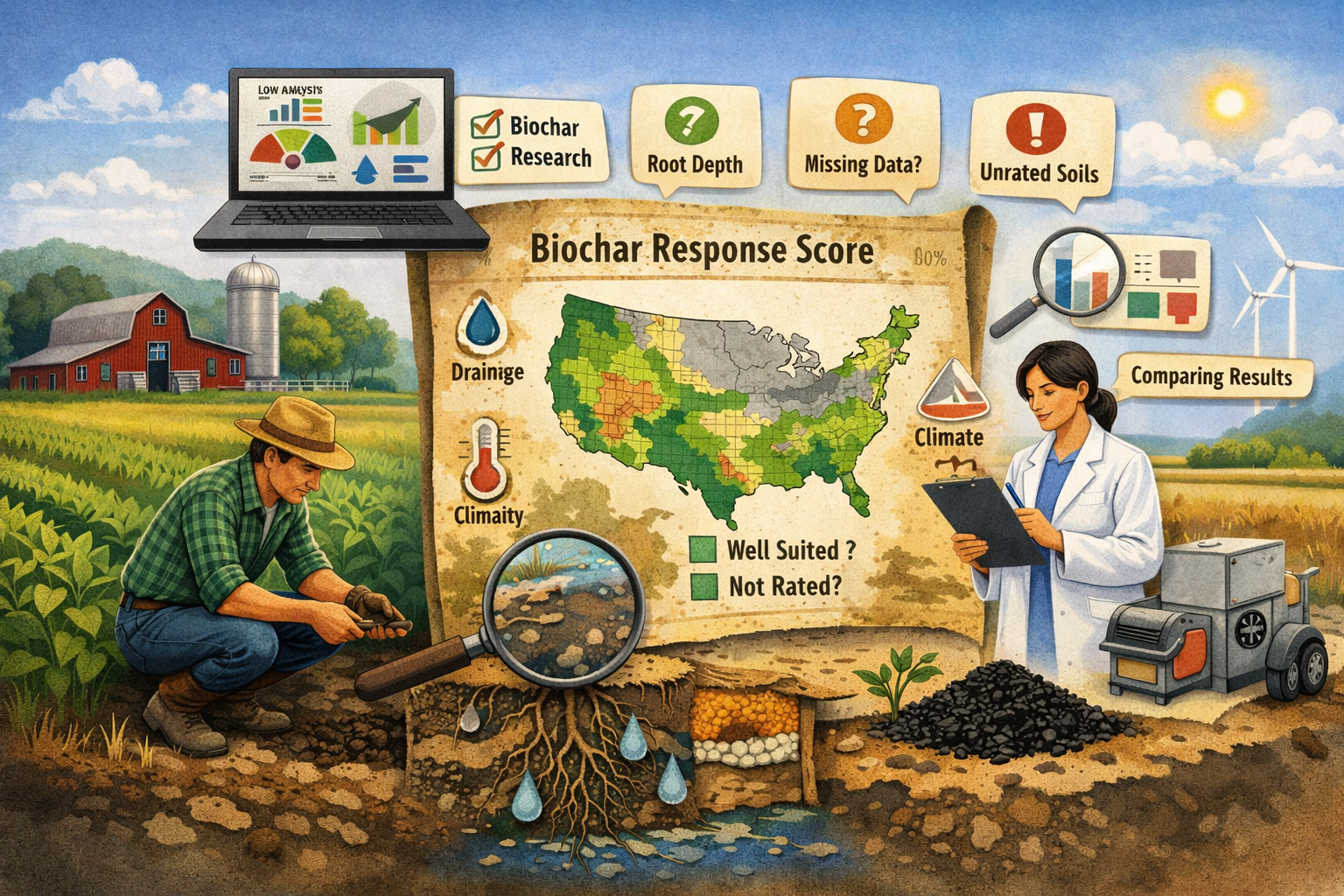
Smarter Soil Insights for Better Biochar Decisions
In 2026, AgroNet ZERO continued its research on how soil data can be used to better identify where biochar is most likely to deliver meaningful results in the field.
This phase of our work focused on improving a public USDA soil screening tool called the Biochar Response Score. The tool is designed to help identify soils that may respond well to biochar, but we wanted to better understand where it works well, where it leaves gaps, and how it could become more useful in real-world decision-making.
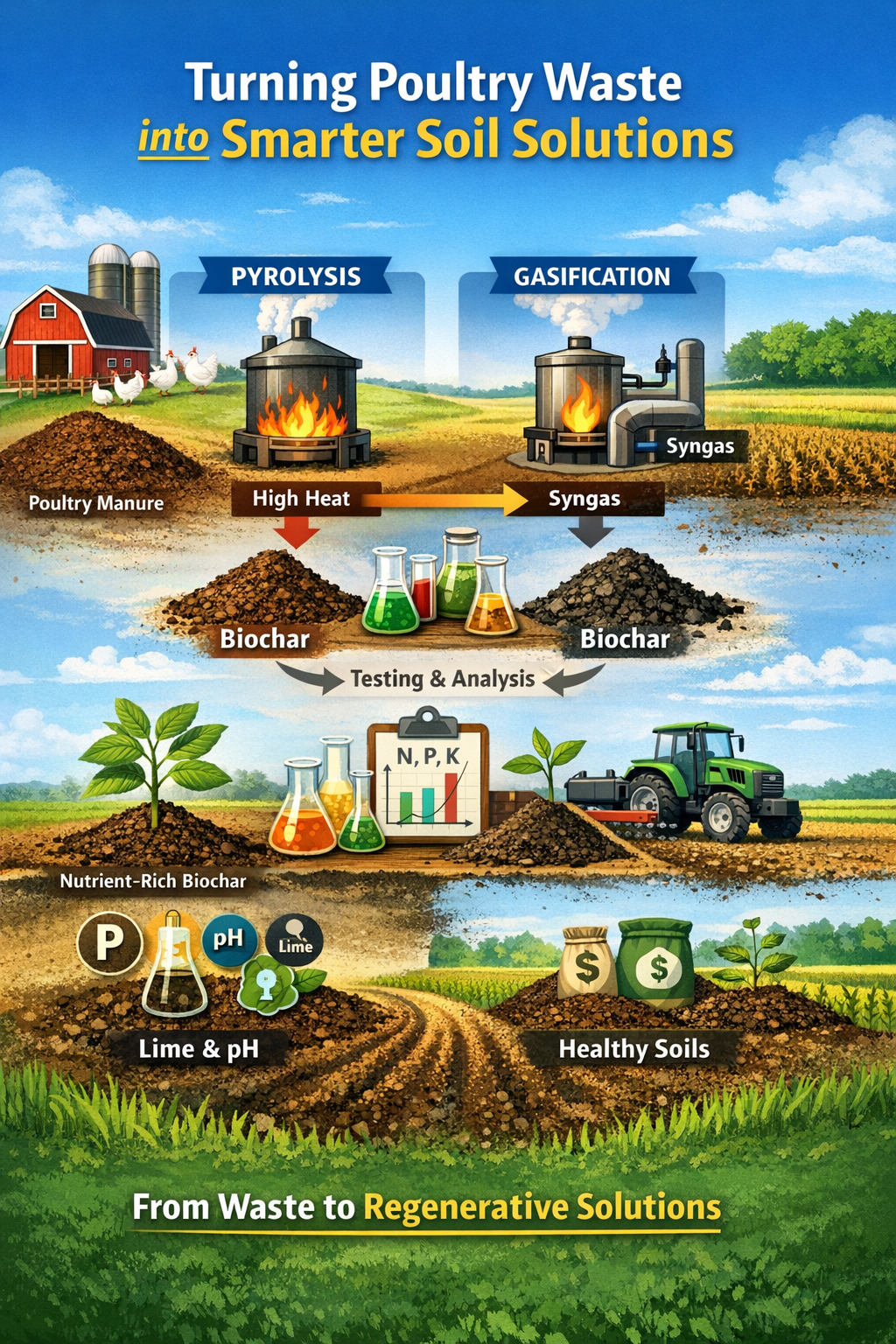
Researching: Pyrolysis vs Gasification in Biochar Production
In 2026, AgroNet ZERO partnered with Purdue University through the Applied Research Institute (ARI) to explore how poultry manure can be transformed into high-value soil solutions.
Our project focuses on one of the most abundant agricultural waste streams:
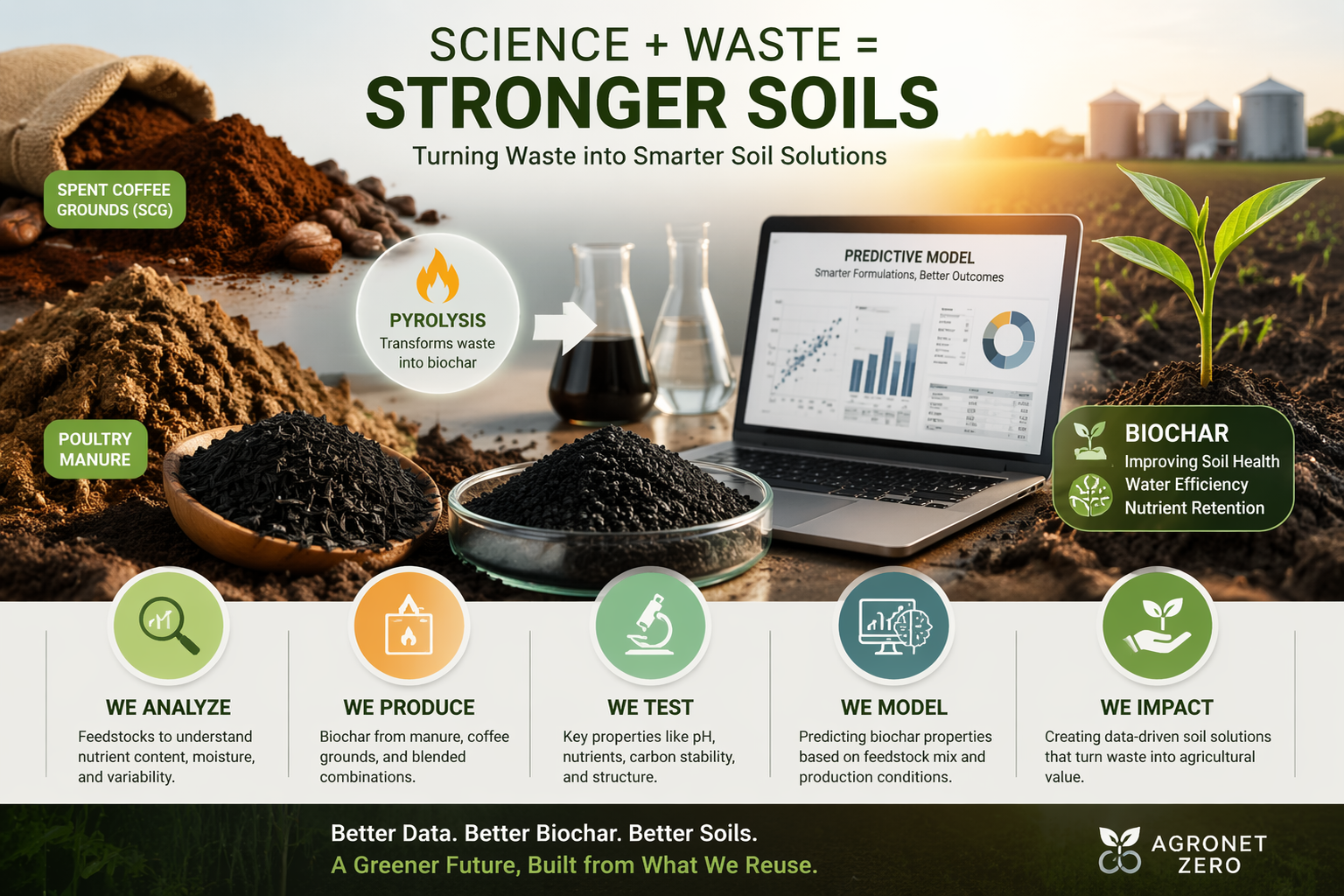
Turning Waste into Smarter Soil Solutions
In 2025, AgroNet ZERO partnered with Purdue University through the Applied Research Institute (ARI) to explore how agricultural and food waste can be transformed into high-value soil solutions.
Our project focused on two abundant materials:

Innovative Biochar for Phosphorus Balance
At AgroNet ZERO (ANZ), we prioritize addressing phosphorus concerns, a critical issue in sustainable agriculture. Phosphorus (P) imbalance in soil involves two main challenges: P-loss, the runoff of phosphorus into water bodies, and P accumulation in soil, which can hinder plant nutrient absorption.

Soil Supercharge: Poultry Manure & Coffee Biochar
Our ongoing research collaboration with ARI and Purdue University is focused on measuring the prescriptive biochar properties derived from poultry manure and spent coffee grounds (SCGs) through pyrolysis. This innovative approach aims to enhance soil health and address various soil issues across different regions in the USA.

Prescriptive Biochar: A Class Apart in the World of Biochar
At AgroNetz ZERO (ANZ), we are pioneering the use of prescriptive biochar—a highly specialized form of biochar designed to address specific soil and agricultural challenges. While the world of biochar encompasses many terms like engineered biochar, designer biochar, enhanced biochar, tailored biochar, functionalized biochar, activated biochar, treated biochar, biochar composites, and biochar additives, our prescriptive biochar stands out due to its targeted approach and customization.